The Rodeo Gear Customers Don’t Think About Until They Need It
By S. Carlson — 9/30/2026
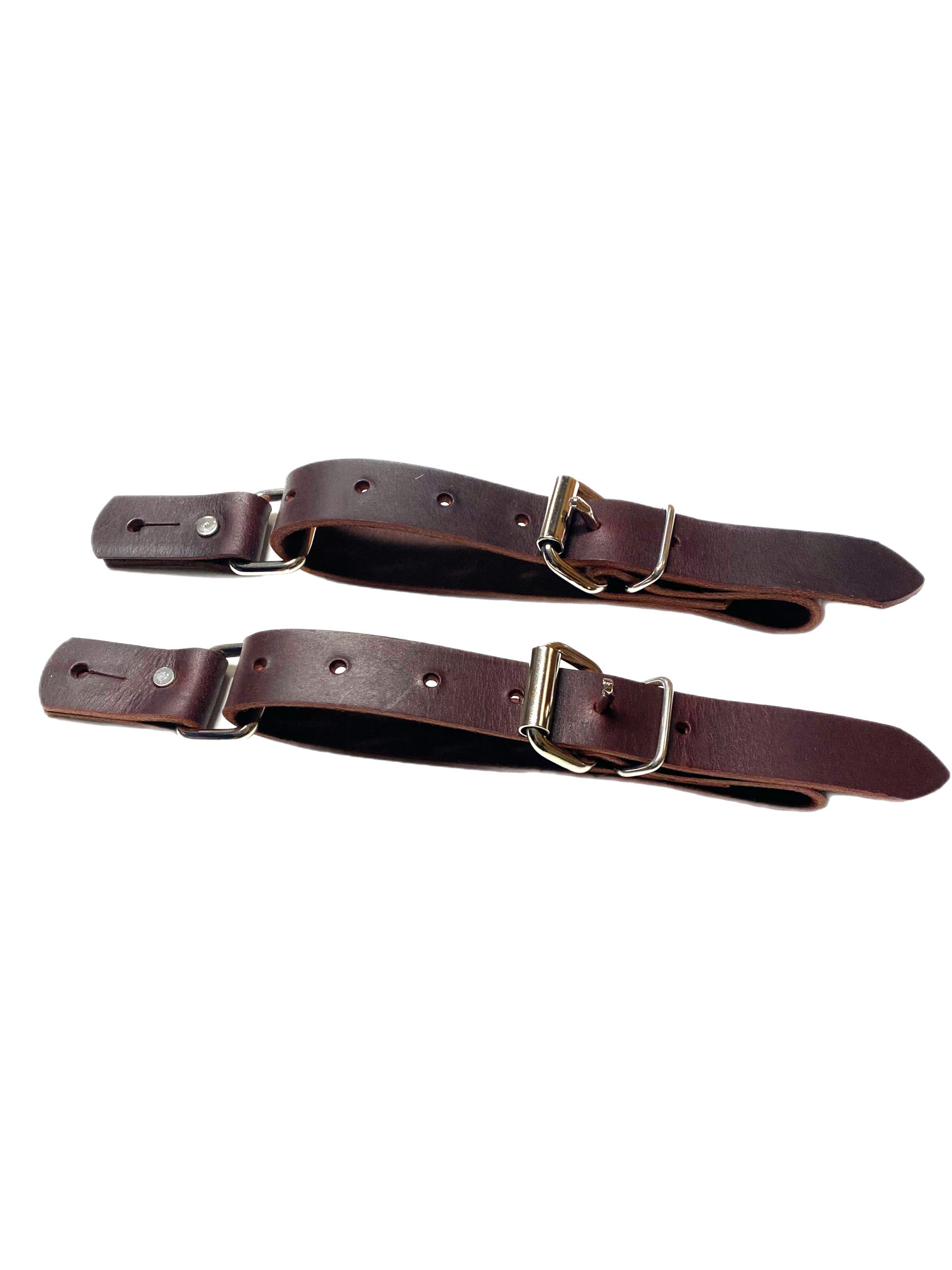
One thing western retailers know better than anyone is that customers don’t always come in because they planned ahead. Sometimes they come in because something broke, got lost, got outgrown, or got left in the trailer. A rider needs a new pair of spur straps before the weekend. A parent needs youth gloves because their kid is riding. Someone needs a bell strap, a rope brush, a curb strap, or a latigo, and they need it now. These aren’t always the products customers think about until the moment they have to have them.
That’s why the smaller rodeo gear matters more than it looks like it should. It may not be the gear that gets the most attention on the shelf, but it’s often the gear that solves the problem. A store can have beautiful western apparel and big displays, but if a rodeo customer walks in needing a simple working piece and the store doesn’t have it, the customer has to keep looking. It’s how rodeo works when people are trying to get ready for the weekend on the road.
Small tack and gear isn’t store stock filler. Spur straps, bell straps, rope brushes, curb straps, latigos, youth gloves, and other roughstock accessories all tell a customer that the store understands what people actually use, not just what looks western from across the room. A rope brush isn’t exciting until a rope needs cleaning. Youth gloves aren’t just a little add-on when a parent is trying to get a kid ready for mutton bustin’ or youth bull riding. A strap may not look like much, but when it’s the piece someone needs, it becomes the sale that matters.
I’ve learned that useful inventory builds trust quietly. Customers remember the store that had what they needed when they were in a bind. Parents remember where they found youth gear. Riders remember where they picked up the small pieces nobody else had. In the rodeo world, people ask each other where to buy things, and word moves fast when a store is actually useful. That kind of trust isn’t built with one big sale. It’s built over time, one practical answer at a time.
Of course, no retailer can stock everything, and pretending otherwise isn’t helpful. Inventory costs money, shelf space matters, and every store has to decide what earns a place. The smart approach isn’t to carry every possible product in every size and style. The smart approach is to keep the basics customers need quickly and use options like dropshipping or special orders to offer more without tying up too much cash in slow-moving inventory. That gives the retailer more ways to say yes without turning the back room into a museum of good intentions.
At Stockline Supply Co., we pay attention to this kind of gear because it’s part of real rodeo retail. Under-heel spur straps, junior bull riding spur straps, bell straps, rope brushes, curb straps, latigos, mutton and youth gloves, bull riding gloves, and starter dealer packages all belong in the conversation when a store serves rodeo families, roughstock riders, youth riders, and western customers who need working gear. Not every product has to be the star of the shelf. Some products just need to be there when the customer asks for them.
That’s the point. The small gear may not be what brings the customer through the door, but it can be what keeps them coming back. When a store has the pieces people need at the moment they need them, that store becomes part of how customers get ready for the next ride, the next weekend, and the next season.
If you’re already a Stockline dealer and need to restock, contact us.
Need a wholesale account? Apply here:
https://stocklinesupply.com/pages/become-a-dealer
Stockline Supply Co.
Wholesale rodeo gear for retailers who serve the real rodeo crowd.
We carry bull riding gloves, bull ropes, mutton bustin’ gear, youth riding gear, spur straps, western apparel, and rodeo lifestyle products for dealers who serve real rodeo customers.
We also make our own tack right here on our ranch in Florida. Our breast collars, spur straps, and leather goods are handcrafted by people who know the difference between something that just looks western and something that can actually go to work.